Bats help help us in so many ways:
Pest Control Power
Pest Control Power
Pest Control Power
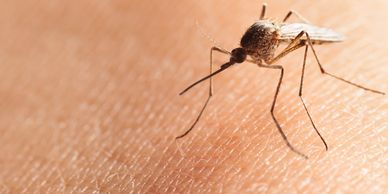
Many bat species, and all bat species in Saskatchewan eat insects. These include agricultural pests like moths, beetles, flies and more, and it also includes human pests like mosquitoes.
Pollination
Pest Control Power
Pest Control Power

Roosting and foraging amongst plants, or eating fruit or nectar, several bat species are major plant pollinators. Plants like mangos, bananas use bats for pollination for example. Agave, the plant that produces tequila, is exclusively by the Mexican long-nosed bat.
Fruit Dispersal
Pest Control Power
Rainforest Regrowth
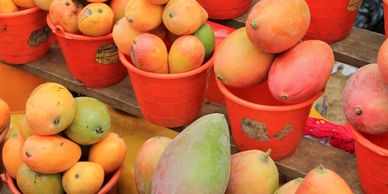
Some species of bats eat fruit. These bats can spread seeds either by dropping fruit, or by spreading scatt containing seeds from the fruit they've eaten.
Rainforest Regrowth
Historical Guano Uses
Rainforest Regrowth
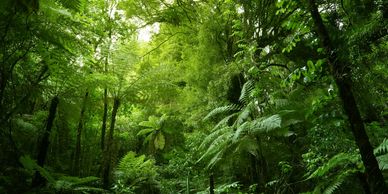
Due to their high capacity for pollination and seed dispersal, along with their willingness to travel long distances, and inhabit unique niches, bats are thought to be excellent dispersers of rainforest plants, accelerating their regrowth.
Medical Advancements
Historical Guano Uses
Historical Guano Uses

Bats have provided researchers with multiple medical research opportunities. "Draculin" for example, is an anticoagulant found in vampire bat saliva, which shows promise in stroke treatment. Their unique immune systems are also being studied for implications in treatment of a wide variety of conditions.
Historical Guano Uses
Historical Guano Uses
Historical Guano Uses

For several hundred, if not thousands of years, bat guano has been used as fertilizer, due to its high concentration of nitrogen, phosphorus and potassium. For this same reason it was used in the manufacture of gunpowder.